Intro
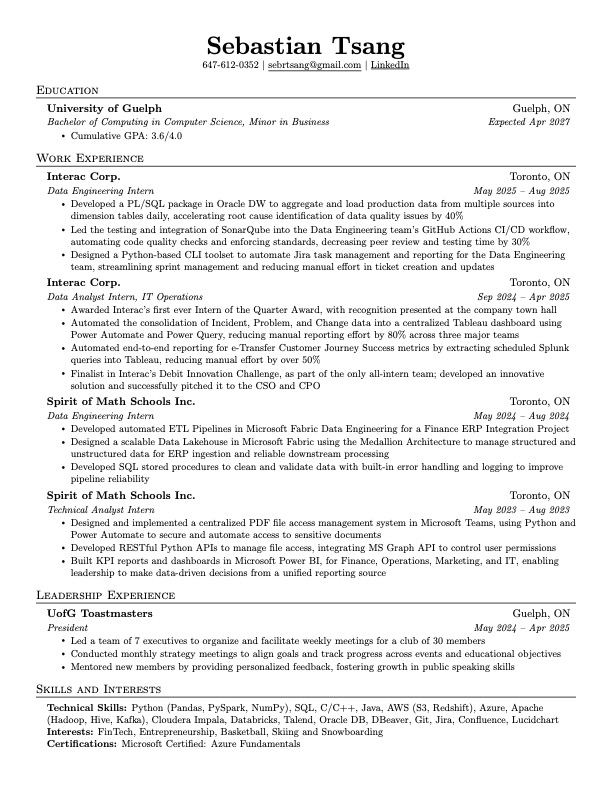
Hey! I’m Sebastian, a Computer Science Co-op student at the University of Guelph. Welcome to my portfolio! I’m passionate about business and technology, and I love working on projects that make a real impact. Feel free to check out my resume and explore some of the things I’ve worked on!
Resume
View PDF
Co-op Work Term Report (F24)
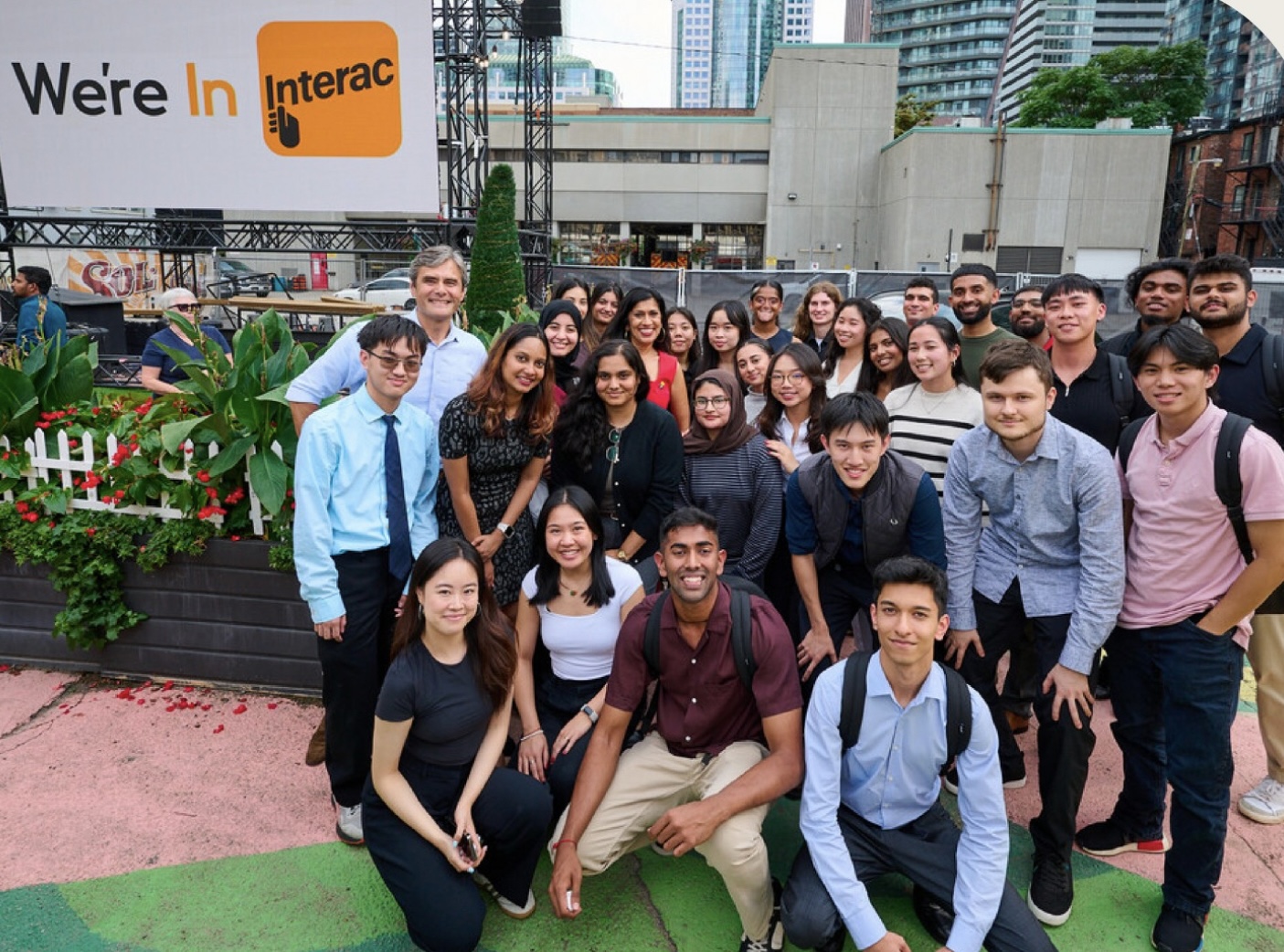
2024 4th Quarter Town Hall with the F24 Intern Cohort
Introduction
Hey! I'm Sebastian, a third-year Computer Science Co-op student at the University of Guelph. This term, I had the opportunity to complete my first co-op placement as an IT Operations Intern at Interac.
During my time here, I contributed to impactful reporting and automation projects and honed both my technical and professional skills. In this report, I’ll reflect on my time at Interac, the goals I set, and how this opportunity has shaped my development and the trajectory of my career.
About the Company
Interac is a leading Canadian provider of payment solutions, known well for their services like Interac Debit and Interac e-Transfer. Since 1984, they helped millions of Canadians make secure and fast transactions every day. In 2023, Canadians completed over 6.5 billion Debit transactions, and 88% of Canadians managed their funds using e-Transfer. The company continues to innovate with new products like Interac Verified and Konek. I had the opportunity to work at their Head Office located at 200 Bay Street in Toronto.
Fun fact: Only 30 interns were selected from a pool of over 14,000 applicants, highlighting the talent and impact of the team at Interac.
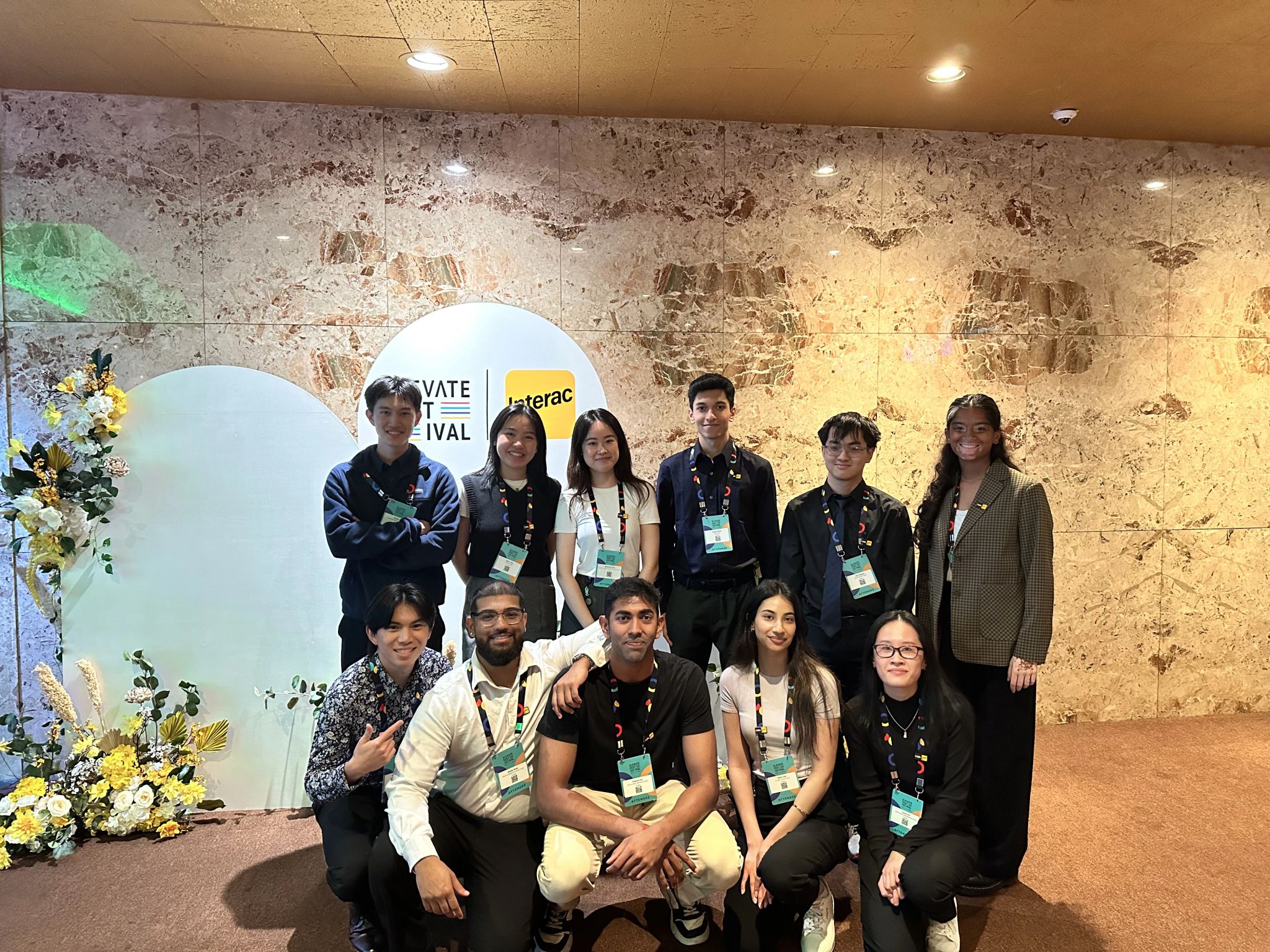
I had the opportunity to attend the Elevate Festival 2024
About My Role
As an IT Operations Intern on the IT Operations team, I had the opportunity to work on a variety of impactful projects, with a primary focus on automation and reporting. One of my key responsibilities was automating the previously manual Debit & e-Transfer Customer Journey Success (CJS) reports, which are essential for tracking performance and identifying areas for improvement. This project involved transforming manual processes into dynamic, automated workflows and creating high-level visualizations in Tableau, significantly reducing manual effort and increasing reporting accuracy.
A major area of focus within the IT Operations team was Enterprise Incident Management (EIM), which is responsible for resolving customer-impacting incidents across all Interac products. I assisted in troubleshooting and resolving lower-severity tickets, particularly those related to transactional data files from clients and vendors. These files are crucial for determining Interac's monthly revenue, and any missing or incomplete data can cause significant disruptions. I played an active role in ensuring that these issues were resolved swiftly, helping maintain the accuracy of billing and ensuring timely payments.
The skills I applied were a mix of classroom knowledge and on-the-job learning. My coursework taught me valuable problem-solving techniques, which I was able to apply in my role. A key skill I developed on the job was collaboration. I learned to work more effectively with diverse teams, ensuring smooth communication and fostering a unified approach to resolving issues and completing projects.
Learning Goals
At the start of my co-op term, I set three primary goals:
- Technological Literacy: Improve basic proficiency in Splunk
- Professional & Ethical Behaviour: Strengthen communication and collaboration skills with team members
- Critical & Creative Thinking: Enhance problem-solving and critical thinking abilities
These goals aligned with my role and areas I wanted to develop to contribute to my team and grow professionally.
- Technological Literacy:
Before this term, I had limited experience with Splunk and by dedicating time to hands-on practice and applying Splunk in key projects, like the e-Transfer Customer Journey Success (CJS) automation project, I significantly improved my proficiency. Successfully implementing Splunk for automation not only met my learning goals but also contributed directly to team success.
- Professional & Ethical Behaviour:
My efforts to enhance communication and collaboration paid off as I actively participated in meetings, sought feedback, and clearly communicated technical concepts to non-technical stakeholders. These actions resulted in improved workflow efficiency and positive feedback from team members, as demonstrated by a survey I conducted. The survey rated my skills out of 5, with the results reflecting the rounded average of all submissions:
- Works well with others and promotes teamwork: 4/5
- Communicates openly and honestly, ensuring transparency and trust within the team: 5/5
- Demonstrates openness to feedback and actively learns from others to improve: 5/5
- Demonstrates clear reasoning and justification for decisions made: 4/5
- Critical & Creative Thinking:
Tackling complex automation challenges allowed me to refine my problem-solving skills. I identified inefficiencies in existing processes, proposed solutions, and implemented improvements independently, showcasing initiative and strategic thinking. One example was when I addressed Splunk Alert failures within the CJS automation by designing a validation process without prompting, demonstrating my ability to go above and beyond.
I'm very proud of the progress I made on all three goals. Each one provided valuable learning experiences and allowed me to make meaningful contributions to my team. While I continue striving for growth, the skills and knowledge I gained have strengthened both my technical expertise and professional development.
Conclusion
My co-op term at Interac has been a transformative experience, providing me with valuable opportunities to grow both technically and professionally. Through impactful automation projects and my involvement in EIM, I was able to contribute to Interac’s success while developing a deeper understanding of how technology drives operational excellence within an organization.
This placement pushed me to refine my problem-solving abilities, enhance my communication skills, and build collaborative relationships with diverse teams. I learned the importance of adaptability and proactive thinking, which proved essential in implementing automations and resolving incidents. Each obstacle became an opportunity to grow and deliver solutions that had a tangible impact on my team and the company.
Looking back, I’m proud to say that the goals I set at the beginning of the term were not only met but exceeded. I leave this experience with a clearer sense of direction for my career and a newfound confidence in my ability to take on complex challenges. My time at Interac has shaped my development and given me a clearer vision of the direction I want to pursue.
I’m incredibly grateful for the support of my team, who provided guidance, mentorship, and encouragement throughout this journey. The chance to contribute to a company that plays such a pivotal role in Canada’s financial ecosystem has been both humbling and inspiring. As I move forward, I carry with me the skills, knowledge, and confidence I gained during this incredible journey.
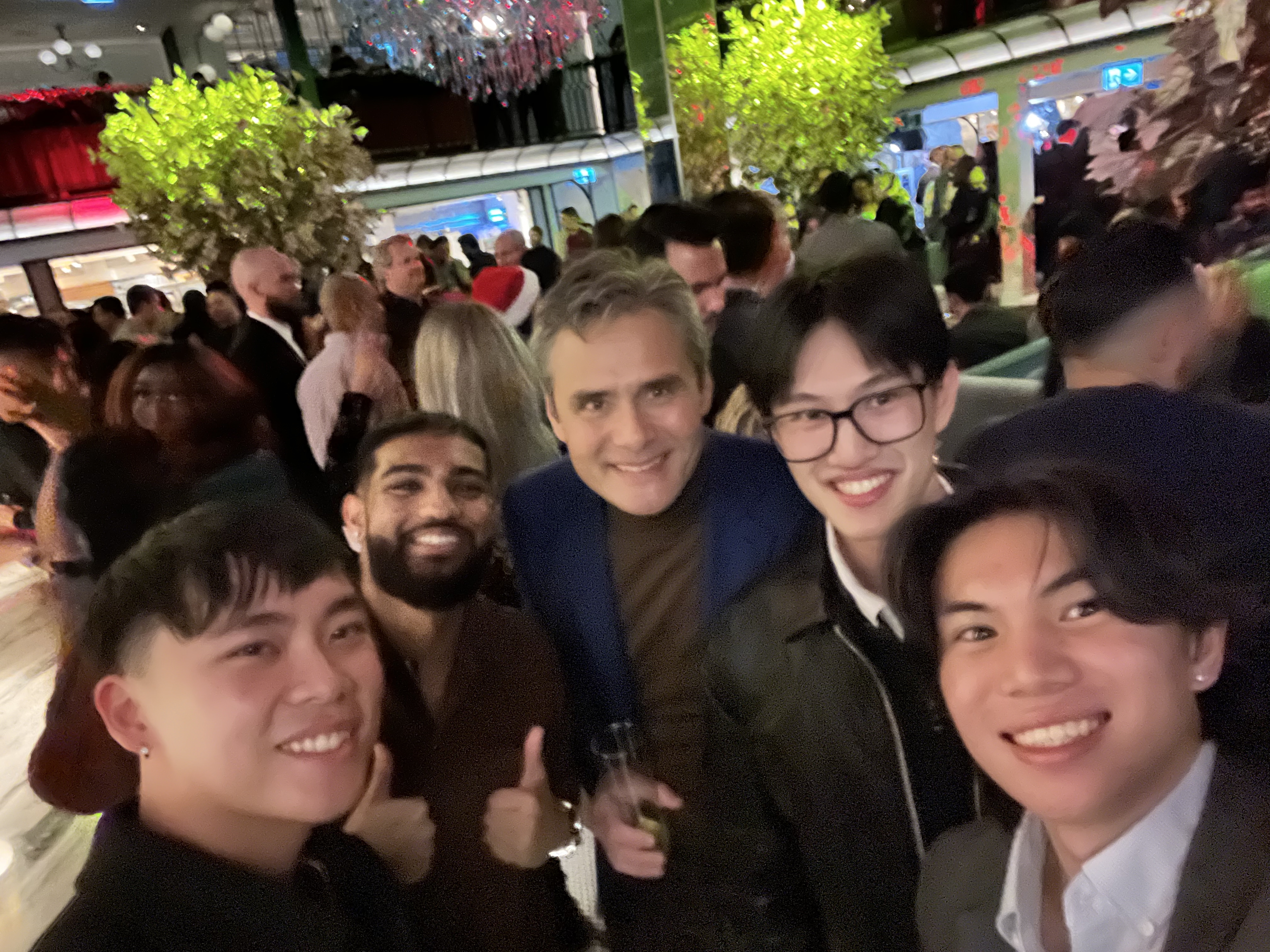
Selfie with CEO Jeremy Wilmot at the Interac 2024 Christmas Party
Acknowledgements
I would like to express my gratitude to the entire IT Operations team at Interac for their kindness, support, and guidance throughout my co-op term. Their encouragement and willingness to share their expertise played a crucial role in helping me succeed in my role and grow professionally.
Co-op Work Term Report (S25)
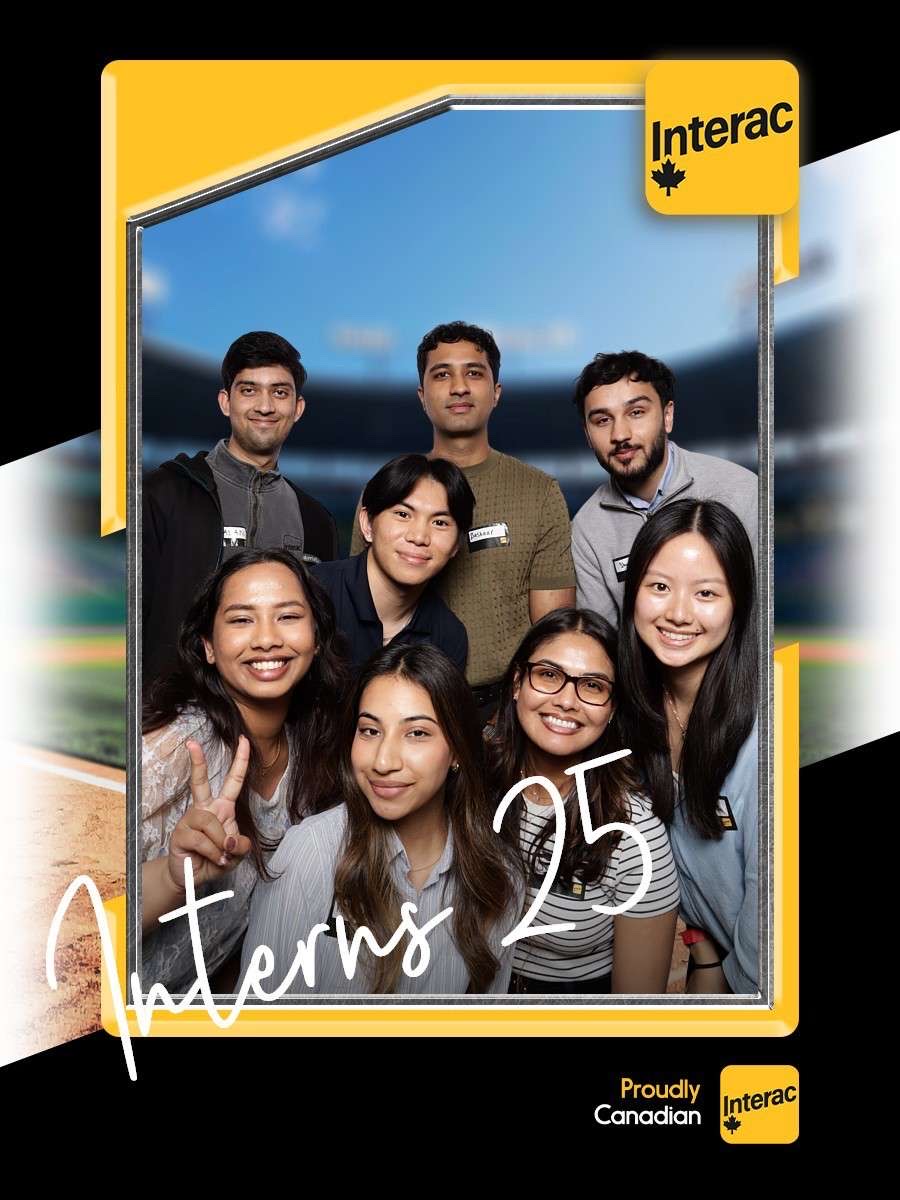
Summer 2025 Interac Interns at the Town Hall
Introduction
Hey! I'm Sebastian, a third-year Computer Science Co-op student at the University of Guelph. This term, I had the opportunity to return to Interac for my second co-op placement, this time as a Data Engineering Intern.
During this work term, I contributed to impactful automation, data quality, and DevOps projects that reduced manual effort and strengthened engineering practices. In this report, I’ll reflect on my time at Interac, the goals I set, and how this opportunity shaped my growth both technically and professionally.
About the Company
Interac is a leading Canadian provider of payment solutions, known well for their services like Interac Debit and Interac e-Transfer. Since 1984, they helped millions of Canadians make secure and fast transactions every day. In 2023, Canadians completed over 6.5 billion Debit transactions, and 88% of Canadians managed their funds using e-Transfer. The company continues to innovate with new products like Interac Verified and Konek. I had the opportunity to work at their Head Office located at 200 Bay Street in Toronto.
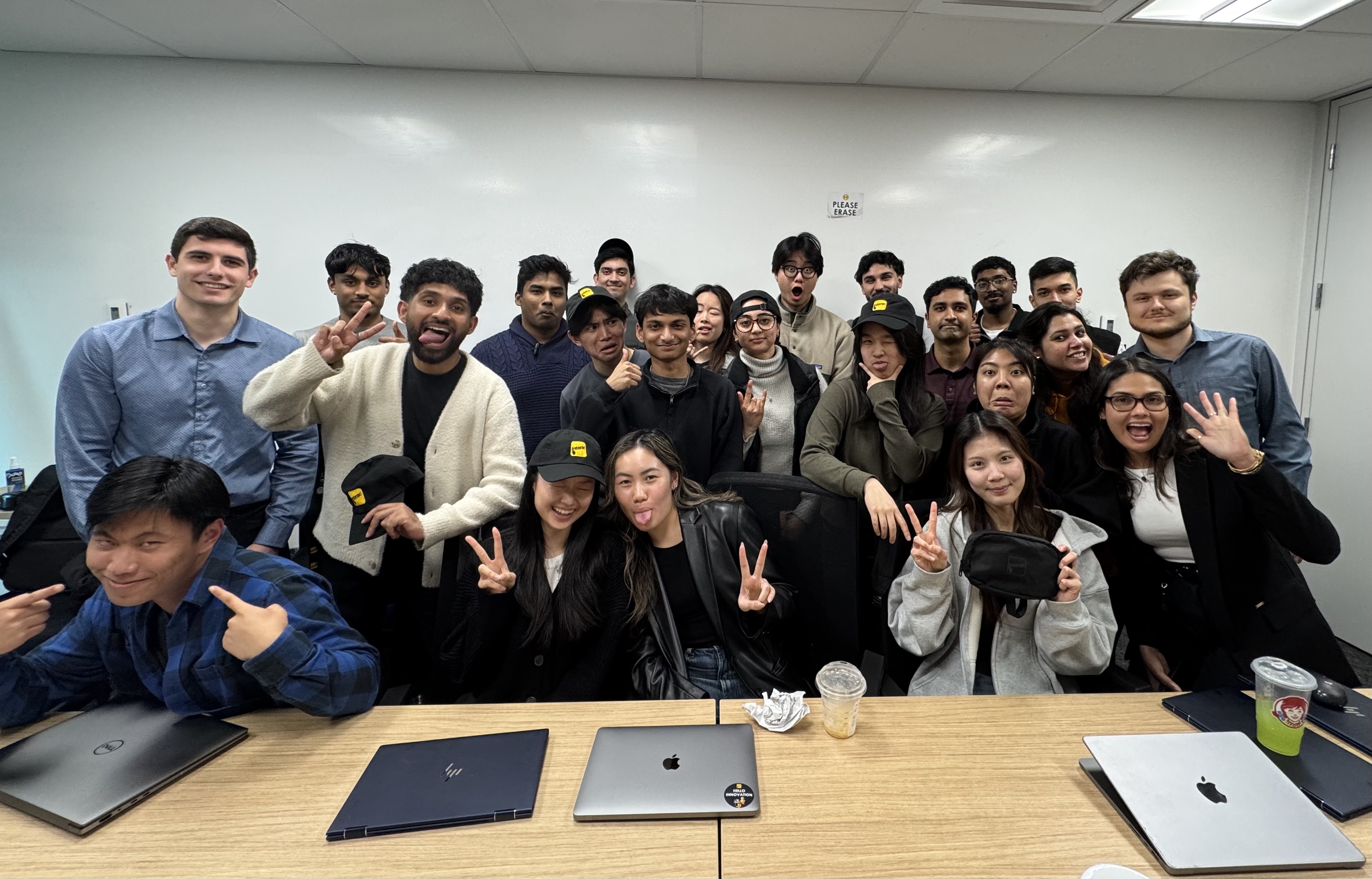
Summer 2025 Intern Social
About My Role
As a Data Engineering Intern on the Data Engineering team, I had the opportunity to work on a range of projects focused on automation, data quality, and improving engineering practices. A major part of my role involved building and testing Oracle PL/SQL packages to aggregate and validate production data in dimension tables. These packages played a key role in ensuring data quality and helped the team speed up root-cause analysis during investigations. By strengthening the reliability of these data processes, I contributed to maintaining the accuracy and consistency of Interac’s enterprise analytics systems.
Another important area of my work was enhancing the team’s development and testing workflows. I designed and implemented a complete SonarQube integration within our GitHub repository and CI/CD workflow, enabling automated code-quality checks on every commit and pull request. This integration reduced the amount of manual peer review required and established stronger engineering standards within the team. By rolling out this workflow and sharing guidance with my peers, I helped embed automated quality gates into our development process, ensuring long-term maintainability and quality of code.
I also had the chance to work extensively with Jira automation. I developed a Python-based toolkit to streamline recurring sprint tasks, create peer review tickets, and generate sprint reports. These scripts significantly reduced manual effort and standardized sprint workflows, allowing the team to focus more on delivering value instead of handling repetitive administrative tasks. Through this work, I saw firsthand how automation could have a tangible impact on both team efficiency and morale.
The skills I applied throughout the term were a blend of classroom knowledge and new learning on the job. My coursework in databases and systems gave me the foundation to work with PL/SQL, while the co-op experience pushed me to develop stronger practical skills in CI/CD and automation. Collaboration was also a major area of growth; I learned to work effectively across the Data Engineering and DevOps teams, ensuring smooth communication and alignment as we delivered these projects together.
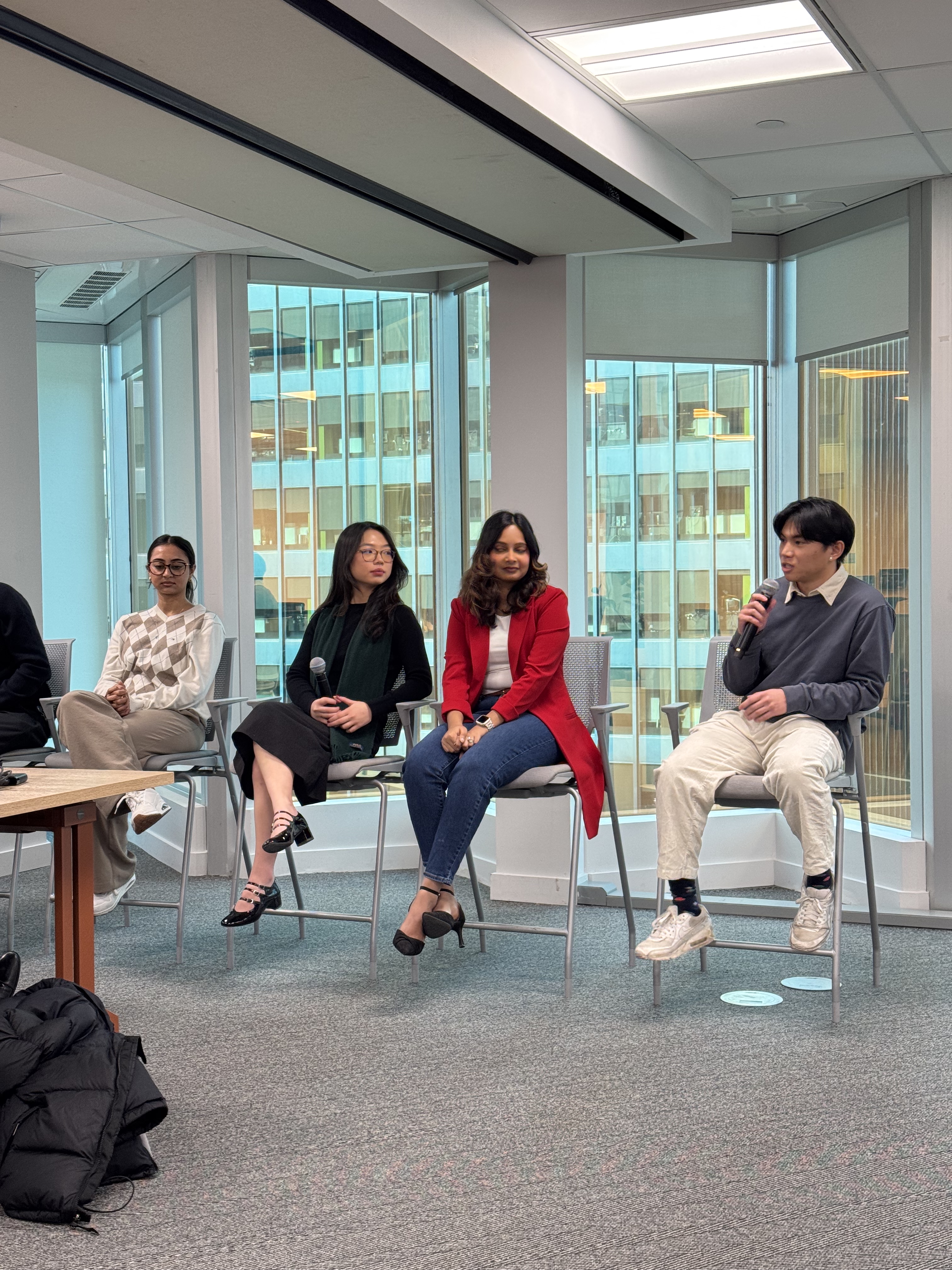
I spoke on the panel for the Summer 2025 Interns Orientation
Learning Goals
At the start of my co-op term, I set three primary goals:
- Information Literacy: Strengthen understanding of team workflows, systems, and terminology
- Technological Literacy – Automation: Build automation tools to reduce repetitive tasks and improve efficiency
- Technological Literacy – QA/Dev Practices: Implement automated quality checks into the CI/CD workflow
These goals aligned closely with my role and areas I wanted to develop to both contribute to my team and grow professionally. Each one gave me a concrete way to measure my progress and ensure that my work was meaningful to both myself and the organization.
- Information Literacy:
At the beginning of the term, I wanted to develop a stronger grasp of how the Data Engineering team functioned within Interac. I committed to actively participating in standups, sprint planning, and 1:1s with my team lead to gain a deeper understanding of our systems and priorities. Over time, I became more confident in navigating team processes and speaking to the work being done. By the midpoint of the term, I was able to summarize sprint outcomes, contribute to discussions on reporting metrics, and ask questions that demonstrated my growing knowledge of team workflows. This growth allowed me to integrate more seamlessly into the team and provided a foundation for taking on more complex technical tasks.
- Technological Literacy – Automation:
One of my key objectives was to build automation that reduced manual effort for recurring sprint work. I accomplished this by creating a Python-based toolkit that handled repetitive Jira tasks such as generating peer review tickets, creating recurring sprint assignments, and uploading reports directly to Confluence. These automations were quickly adopted by the team and proved especially valuable during sprint planning and retrospectives. By eliminating repetitive manual tasks, I enabled the team to save time and focus on higher-value engineering work. This project also gave me hands-on experience in designing CLI-based workflows, error handling, and Jira API integration—skills that extended far beyond my initial expectations for this goal.
- Technological Literacy – QA/Dev Practices:
A major goal for me this term was to contribute to improving our development pipeline by incorporating automated quality checks. I successfully designed and deployed a full SonarQube integration with our GitHub repository and CI/CD workflow. This integration ensured that every commit and pull request was automatically analyzed for vulnerabilities, bugs, and code smells, embedding quality checks directly into our development process. Rolling out this integration was a milestone achievement, as it not only reduced the burden of manual code review but also established a sustainable framework for enforcing engineering standards across the team. By documenting and sharing the workflow, I ensured that others could build upon and extend this integration in the future.
I’m very proud of the progress I made on all three goals. Each one provided valuable learning experiences and gave me the opportunity to make tangible contributions to the team. These goals pushed me to improve my technical skills in PL/SQL, automation, and CI/CD, while also strengthening my ability to communicate effectively and collaborate within a team setting. Looking back, I can confidently say that I not only achieved but exceeded the expectations I set for myself at the beginning of the term.
Conclusion
My second co-op term at Interac has been an incredibly rewarding experience, offering me the chance to immerse myself in data engineering practices and contribute to projects that had real impact on my team. By building Oracle PL/SQL packages to improve data quality, implementing a SonarQube integration in our GitHub Actions workflow, and creating automation tools for Jira and Confluence, I was able to strengthen the efficiency of my team’s workflows while gaining practical, hands-on experience with technologies that are essential in the data space. This term allowed me to move beyond surface-level exposure and build a much deeper technical foundation.
This placement also challenged me to think more strategically about the solutions I was delivering. Writing code was only part of the work—the bigger challenge was ensuring that what I built was maintainable, scalable, and valuable to the team in the long run. The SonarQube integration, for example, was more than just a technical exercise; it represented a cultural shift toward embedding quality standards into every step of the development process. Similarly, the automation scripts I created not only eliminated repetitive tasks but also reshaped how the team approached sprint planning and reporting. These experiences taught me the importance of pairing technical skills with foresight and adaptability.
Equally important was the growth I experienced in collaboration and communication. Working across the Data Engineering and DevOps teams gave me exposure to different perspectives and workflows, and I quickly learned how crucial clear, concise communication is when introducing new processes or tools. I gained confidence in presenting my work, explaining technical decisions, and seeking feedback to refine my solutions. These interactions reinforced that engineering success is not only about technical proficiency but also about being able to bring people along with your ideas and build consensus around change.
Reflecting on the goals I set at the beginning of the term, I feel proud of the progress I made. I achieved each goal while also uncovering new areas for growth that I had not initially anticipated. This experience confirmed my long-term interest in pursuing a career in data engineering and gave me valuable exposure to the challenges and opportunities within enterprise-scale data systems. I now have greater confidence in my ability to handle complex projects, balance technical depth with business impact, and contribute meaningfully to a team environment.
I am deeply grateful for the support and mentorship I received from my colleagues, who were generous with their time, knowledge, and encouragement. Having the opportunity to contribute to an organization that plays such an important role in Canada’s financial ecosystem was both humbling and inspiring. As I move forward, I carry with me not only the technical expertise I developed but also the confidence, adaptability, and problem-solving mindset that this term instilled in me. These lessons will continue to shape my professional journey and give me a strong foundation to build upon in future roles.
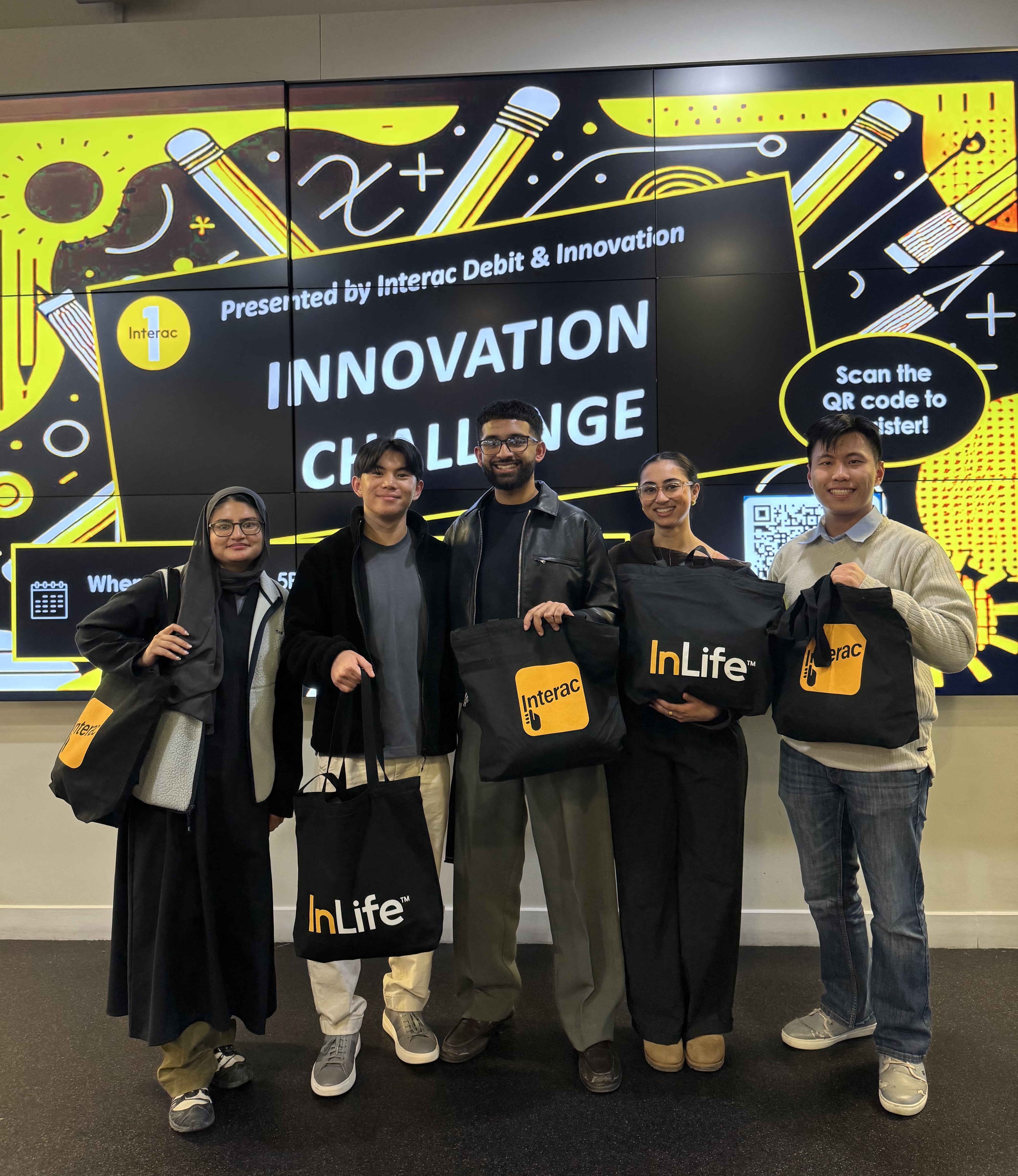
3rd Place in the Interac Debit Innovation Challenge!
Acknowledgements
I would like to sincerely thank the Data Engineering and DevOps teams at Interac for their guidance, encouragement, and support throughout this work term. I had the privilege of learning from teammates who were not only highly skilled but also incredibly generous with their time and expertise. Their feedback and mentorship pushed me to grow, encouraged me to think critically about the solutions I delivered, and gave me the confidence to take on more complex challenges.
Contact
Elements
Text
This is bold and this is strong. This is italic and this is emphasized.
This is superscript text and this is subscript text.
This is underlined and this is code: for (;;) { ... }. Finally, this is a link.
Heading Level 2
Heading Level 3
Heading Level 4
Heading Level 5
Heading Level 6
Blockquote
Fringilla nisl. Donec accumsan interdum nisi, quis tincidunt felis sagittis eget tempus euismod. Vestibulum ante ipsum primis in faucibus vestibulum. Blandit adipiscing eu felis iaculis volutpat ac adipiscing accumsan faucibus. Vestibulum ante ipsum primis in faucibus lorem ipsum dolor sit amet nullam adipiscing eu felis.
Preformatted
i = 0;

while (!deck.isInOrder()) {
    print 'Iteration ' + i;
    deck.shuffle();
    i++;
}

print 'It took ' + i + ' iterations to sort the deck.';
Lists
Unordered
- Dolor pulvinar etiam.
- Sagittis adipiscing.
- Felis enim feugiat.
Alternate
- Dolor pulvinar etiam.
- Sagittis adipiscing.
- Felis enim feugiat.
Ordered
- Dolor pulvinar etiam.
- Etiam vel felis viverra.
- Felis enim feugiat.
- Dolor pulvinar etiam.
- Etiam vel felis lorem.
- Felis enim et feugiat.
Icons
Actions
Table
Default
| Name |
Description |
Price |
| Item One |
Ante turpis integer aliquet porttitor. |
29.99 |
| Item Two |
Vis ac commodo adipiscing arcu aliquet. |
19.99 |
| Item Three |
Morbi faucibus arcu accumsan lorem. |
29.99 |
| Item Four |
Vitae integer tempus condimentum. |
19.99 |
| Item Five |
Ante turpis integer aliquet porttitor. |
29.99 |
|
100.00 |
Alternate
| Name |
Description |
Price |
| Item One |
Ante turpis integer aliquet porttitor. |
29.99 |
| Item Two |
Vis ac commodo adipiscing arcu aliquet. |
19.99 |
| Item Three |
Morbi faucibus arcu accumsan lorem. |
29.99 |
| Item Four |
Vitae integer tempus condimentum. |
19.99 |
| Item Five |
Ante turpis integer aliquet porttitor. |
29.99 |
|
100.00 |